This post was originally written in Turkish and translated into English with AI.
This is the first of what I intend to be a quarterly letter. In it, we will go over the fund’s performance as well as the risks and opportunities I see ahead of us.
First, for investors and prospective investors who are not yet familiar with the fund, let me start with what we are actually trying to do.
CKL is a risky fund. That risk does not come from taking reckless bets outside the principles of sound finance — quite the opposite, it comes from our effort to offer an attractive risk-return profile. The fund holds both macro and company-specific investments. Most funds managed today diversify their index and equity exposure at the instrument level rather than at the strategy level. The problem is that most ETFs and companies have become highly correlated with one another. I believe we saw an example of this, however briefly, during the US/Israel–Iran war in March. Strategy-based diversification has therefore become far more important.
Instrument-based diversification is the classic playbook: different stocks, different sectors, different geographies. Yet all of them are ultimately exposed to the same risk factors. In periods of stress, correlations go to one, and diversification stops working precisely when you need it most.
Strategy-based diversification asks a different question: in which scenario does each position in the portfolio make money, and are those scenarios independent of one another? What we are trying to build is a collection of scenarios, not a collection of instruments.
Fund Performance

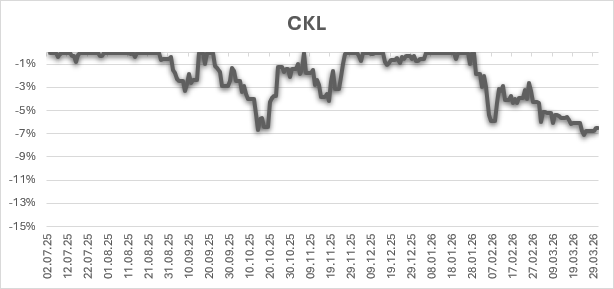
It would be hard to say we have failed on returns, but it is just as early to call it a success. Since the fund’s inception on July 3, we have not yet managed to fully establish a positive direction in US markets, while on the Turkish side we only partially captured the rally at the start of the year. In the first quarter, the returns were driven by the strong performance of a few specific foreign companies and by Turkey. Our event-driven strategies offered some protection in February and March, but did not deliver what we expected from them. As of the first quarter, the maximum drawdown from the peak stood at 7.07%.
As of early April, we have shifted the fund’s overall risk appetite back to the positive side. During the war period our net long exposure was around 10%; today, our combined domestic, international, and commodity net long positions are approaching 70%.
Our thesis is simple: even if there is no rapid recovery, the worst is behind us. From May onward, we will start seeing Kevin Warsh on our screens more often. Trump’s attention, meanwhile, will shift to the election process, as the latest polls put Democratic votes ahead.
Trump and the Roller Coaster
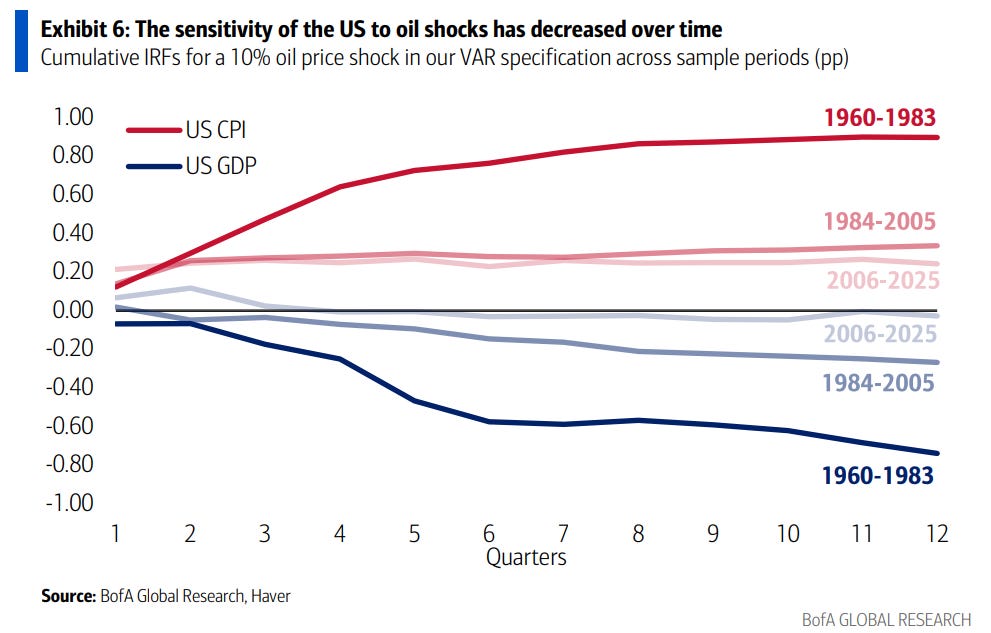
In a cycle that swings between ceasefire and ceasefire breakdown, Iran will use every opportunity it gets until the very last moment. I do not expect the war to resolve into a clean “over or not over” outcome. Good and bad headlines will chase each other for months. What really matters here is oil — how high prices go and how long they stay there. The US is far more resilient to an oil shock than in previously comparable episodes, so as long as prices stay below $100, the hit to US growth and inflation will not be as bad as feared.
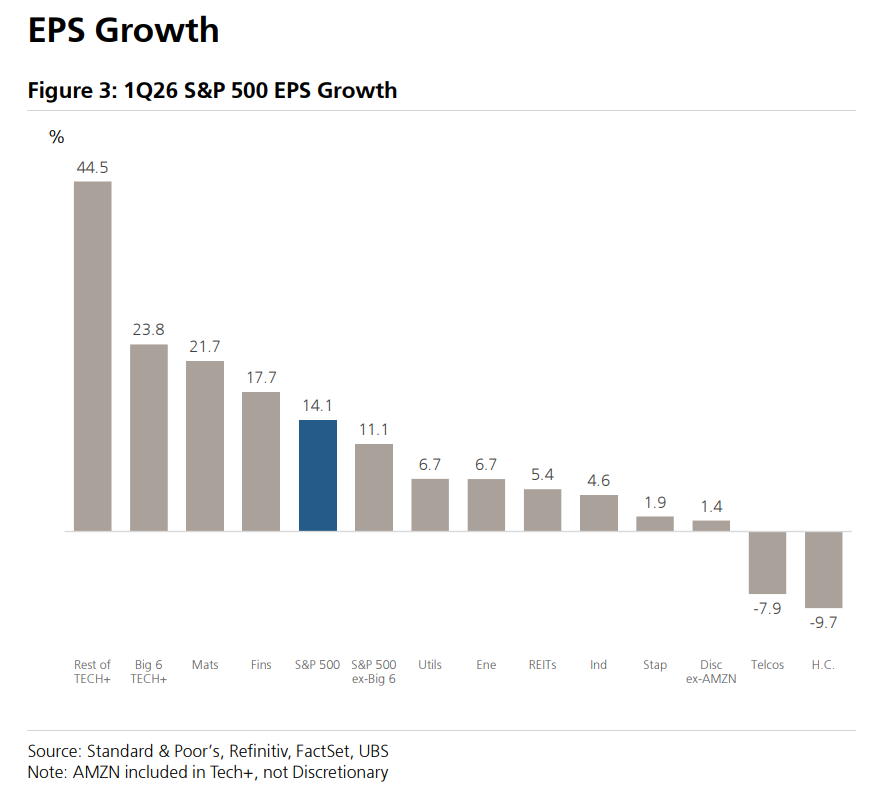
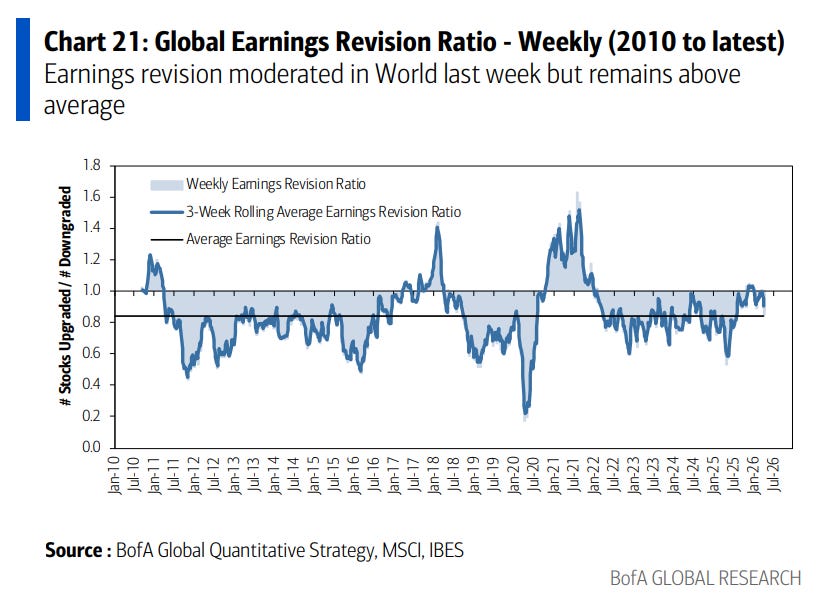
On the earnings side, the first quarter abroad was quite positive. Corporate profits rose, and the best growth came from outside the MAG6 technology companies.
Closing
Although the fund’s hurdle rate is the deposit rate, it has no benchmark. I consider this a significant advantage: it lets us target purely sustainable dollar-based returns. We can walk away from where we see no value and lean harder into where we do.
We are living through a period when the noise is very loud. Our strategy-based diversification approach was designed precisely for times like these. Not to respond to every scenario, but to be on the right side in the right scenarios.